
The Murray River isn’t just the Largest River in Australia, it’s a living timeline of stories that shaped the nation. From the golden age of paddle steamers to the pioneering days of irrigation, and from Aboriginal culture to Federation history. The Murray has always been at the heart of progress and survival. As you travel along its winding banks, you’ll discover towns where the past is beautifully preserved, inviting you to step back in time and experience life as it once was along this mighty waterway.
Barmah Forest Heritage And Education Centre At Nathalia
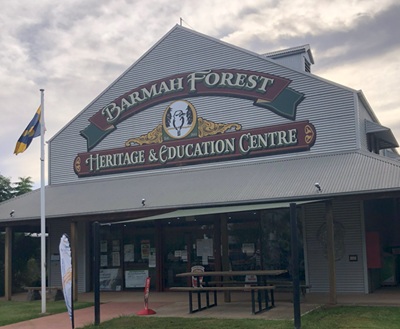
A visit to the Barmah Forest Heritage and Education Centre at Nathalia offers a fascinating insight into the unique history and culture of the Murray River region. The centre showcases the stories of the Yorta Yorta people, the Traditional Custodians of the land, whose deep connection to the Barmah Forest and its waterways stretches back thousands of years.
Exhibits also highlight the era of early European settlement, river trade, cattlemen, and timber workers who relied on the Murray’s resources for survival. By exploring the displays, visitors gain a deeper appreciation of how the river and forest have shaped both Indigenous heritage and pioneering life, making Nathalia an important stop for anyone wishing to understand the true spirit of the Murray River.
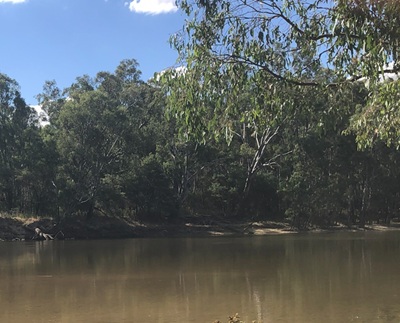
Just a short drive from Nathalia, Barmah National Park is the perfect place to see the landscapes that shaped the stories told at the Heritage Centre. Home to the world’s largest river red gum forest, the park is a haven for wildlife, with kangaroos, emus, and over 200 bird species thriving in its wetlands and floodplains.
The Murray River weaves its way through the park, creating tranquil billabongs and waterways that have sustained life here for generations. Walking trails and canoe routes allow visitors to experience the same river country that supported the Yorta Yorta people and later inspired pioneers, making the park both a natural wonder and a living link to the Murray’s past.
Travel Tips For Visiting Barmah National Park
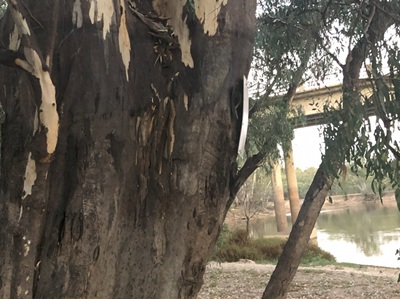
- Best time to visit: Spring and autumn are ideal, with pleasant weather and vibrant wildlife activity. In winter, the wetlands often fill, creating stunning scenery.
- What to bring: Comfortable walking shoes, insect repellent, binoculars for bird watching, and drinking water. A picnic is a great idea as facilities are limited.
- Getting around: Explore on foot along marked trails, by canoe for a closer look at the waterways, or enjoy scenic drives through the red gum forest.
- Facilities nearby: Nathalia has cafés, shops, and accommodation options, while the park itself has basic picnic areas but no camping inside its boundaries.
We stayed at the Barmah Caravan Park beside the Murray River on the Victorian side of the border. A great place for a base to tour the area, and a nice quiet place to relax beside the Murray River.
Echuca- The History Of The Paddle Steamer Era
A trip to Echuca is like stepping back into the golden age of the Murray River, when paddle steamers were the lifeblood of inland Australia. Once the busiest inland port in the country, Echuca still proudly showcases its river heritage at the historic Port of Echuca Precinct.
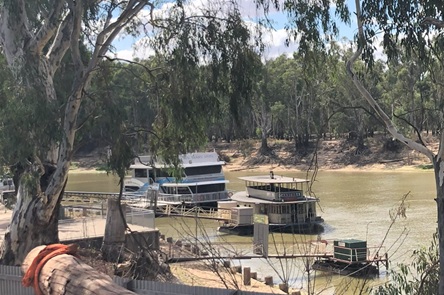
Visitors can wander the old timber wharf, explore interactive displays at the Discovery Centre, and even climb aboard beautifully restored paddle steamers such as the PS Pevensey or PS Alexander Arbuthnot. Cruising along the Murray on one of these vessels is an unforgettable way to experience the same sights and sounds that once carried goods, wool, and passengers up and down the river, bringing history vividly to life.
Travel Tips For Visiting Echuca

- Best time to visit: Spring and autumn offer ideal weather for river cruises and exploring the historic wharf. School holidays bring a lively atmosphere.
- Must-do experiences: Cruise the Murray on a heritage paddle steamer, visit the Port of Echuca Discovery Centre, and stroll the old wharf precinct.
- What to bring: Comfortable walking shoes, a hat and sunscreen for outdoor exploring, and your camera to capture the historic streetscapes.
- Facilities nearby: Echuca has a wide range of cafés, restaurants, accommodation, and shops, making it a perfect base for exploring the Murray region.
Lake Boga Catalina Museum

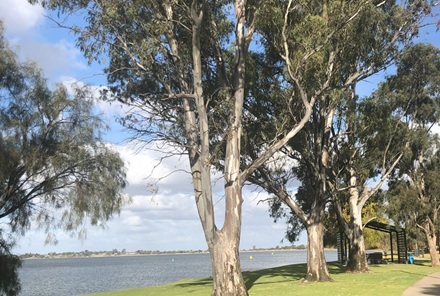
A visit to the Catalina Museum at Lake Boga offers a remarkable glimpse into Australia’s wartime history. During World War II, Lake Boga became home to the No. 1 Flying Boat Repair and Service Depot, a vital base for maintaining Catalina flying boats and other aircraft that patrolled the Pacific.
The museum, housed in an original underground communications bunker, preserves this legacy with an impressive display of wartime memorabilia, photographs, and a fully restored Catalina flying boat as its centrepiece.
Exploring the exhibits reveals just how crucial Lake Boga was to the Allied war effort, while also paying tribute to the men and women who worked tirelessly to keep the flying boats in service. It’s a moving and educational stop that highlights a lesser-known but highly significant chapter in Murray River history.
Travel Tips For Visiting Lake Boga
- Best time to visit: Open year-round, but spring and autumn offer pleasant weather for combining a museum visit with a lakeside picnic.
- Must-do experiences: Explore the Catalina Museum, step inside the original communications bunker, and see the restored Catalina flying boat up close.
- What to bring: Comfortable walking shoes, a camera for the exhibits, and perhaps a picnic to enjoy by the lake after your visit.
- Facilities nearby: Lake Boga has picnic areas, toilets, and a caravan park, while nearby Swan Hill offers cafés, restaurants, and accommodation.
Swan Hill- Visit The Pioneer Settlement
The Swan Hill Pioneer Settlement is a must-visit destination for anyone interested in stepping back in time to experience life along the Murray River as it was in the 19th and early 20th centuries. This fascinating open-air museum brings history to life with over 50 restored and replica buildings, heritage vehicles, and authentic displays that tell the story of the region’s pioneering past.
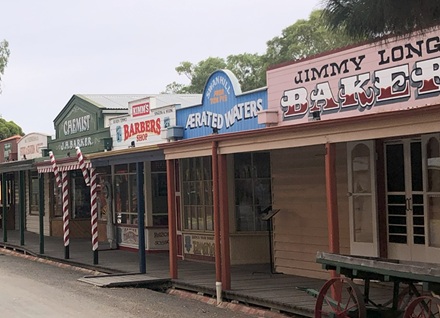
Visitors can stroll the streets lined with old-fashioned shops, take a ride in a horse-drawn carriage, or cruise the river aboard the historic PS Pyap paddle steamer. With daily demonstrations, interactive exhibits, and costumed characters who share stories of yesteryear, the settlement offers an immersive and entertaining way to connect with Australia’s rural heritage.
Whether you’re exploring with family, interested in history, or simply looking for a unique experience, the Swan Hill Pioneer Settlement has something to offer everyone.
Sound And Light Show
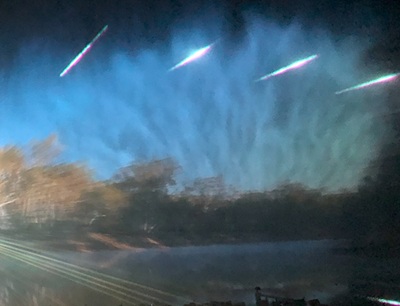
By night, at the Pioneer Settlement, there is a Sound and Light Show that runs every night. The show is over the Little Murray River, and involves water, fire, and pictures over the river. There are now two shows that offer different stories from past years.
Renmark- Start Of Irrigation From The Murray River
Olivewood Historic Homestead (Home Of Charles Chaffey)
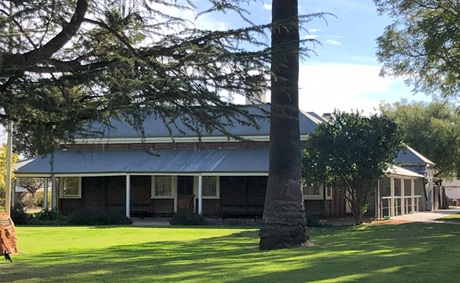
Olivewood Historic Homestead, built in 1889, was the home of Canadian irrigation pioneer Charles Chaffey. This charming home and museum showcase Renmark’s pioneering history. With antique furnishings, photographs, and exhibits that tell the story of the Chaffey brothers and their role in shaping the town’s irrigation settlement.
It is well worth a visit, and make sure to allow plenty of time as there is a lot of history to learn about. We enjoyed learning about the history of Renmark and the first place to have irrigation from the Murray River
PS Industry – Restored Working Paddle Steamer With Tours
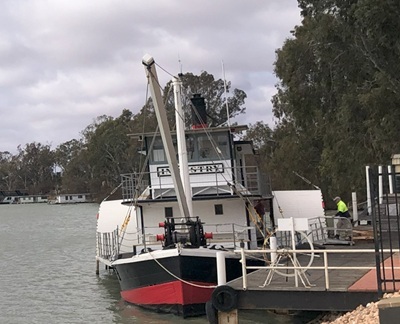
The PS Industry is a beautifully restored working paddle steamer and one of Renmark’s most loved attractions. Visitors can climb aboard to explore the decks or join one of the regular cruises to experience life on the Murray as it once was. The Industry keeps the river’s paddle steamer heritage alive with her churning paddles and traditional charm.
Renmark Irrigation History Displays
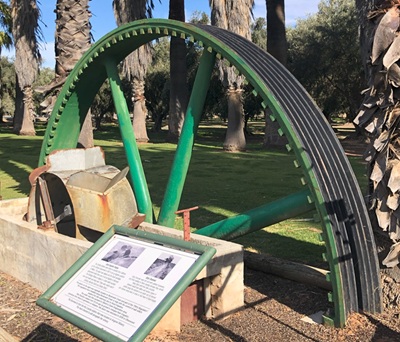
Renmark holds a special place in history as Australia’s first irrigation settlement, established in 1887 by the Chaffey brothers. The town’s irrigation story is told through engaging displays and historic sites, highlighting how innovation and hard work transformed the dry landscape into the thriving fruit-growing region it is today.
Loxton SA – The Village – Historic Loxton
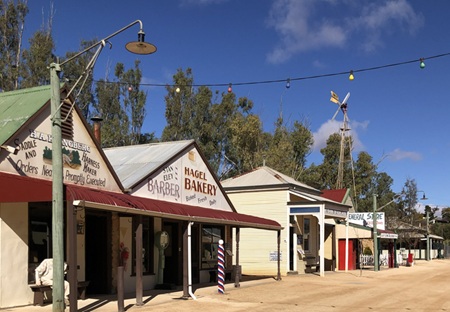
Situated on the banks of the Murray River, the town of Loxton has a rich history closely tied to irrigation and agriculture in the Riverland. Established in the late 1800s and developed further in the early 20th century through irrigation schemes, Loxton became an important fruit-growing centre, producing citrus, grapes, and stone fruit that helped shape the region’s economy.
Visitors can explore this heritage at the Loxton Historical Village, a fascinating open-air museum that recreates life in the early Riverland. The village features more than 40 preserved and reconstructed buildings, including a school, blacksmith shop, bank, and homestead, offering an insight into the pioneering spirit and daily life of the settlers who helped establish Loxton and the surrounding district.
Morgan, SA – Historic Port Town
Once The Busiest Port In South Australia
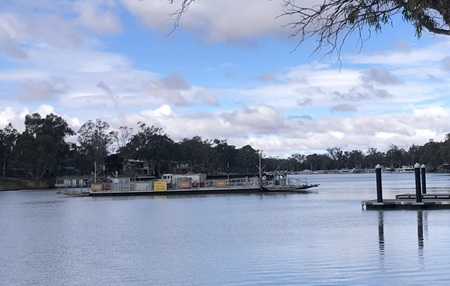
In the late 1800s, Morgan was the busiest inland port in South Australia, second only to Port Adelaide. Paddle steamers lined the wharf, unloading cargo and passengers, while rail connections linked the town to Adelaide. This thriving trade hub played a crucial role in transporting wool, grain, and supplies across the state.
Morgan Historic Wharf And Railway Museum
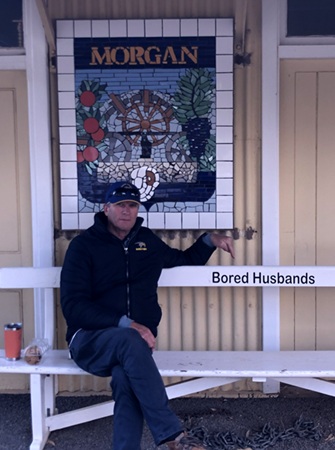
The Morgan Historic Wharf still stands as a reminder of the town’s river trade boom. Nearby, the Railway Museum showcases the town’s rich transport history with fascinating displays of locomotives, riverboat heritage, and memorabilia from its bustling port days. It’s the perfect place to learn how Morgan connected river and rail.
Heritage Walks Through Historic Stone Buildings And Hotels
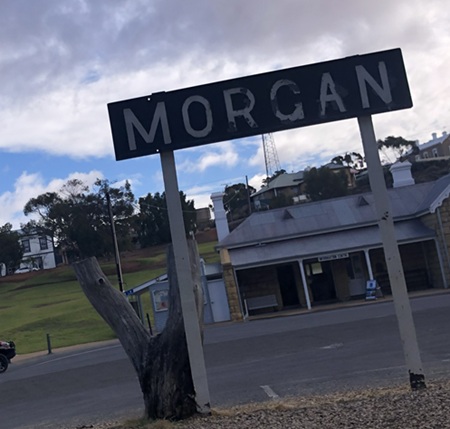
A stroll through Morgan reveals beautifully preserved stone buildings and grand old hotels that once catered to travellers and river captains. Heritage walks guide visitors past landmarks from the town’s prosperous past, offering a glimpse into its 19th-century character and charm.
Mannum, SA – Birthplace of the Paddle Steamer
First Paddle Steamer On The Murray, Built By William Randell In 1853
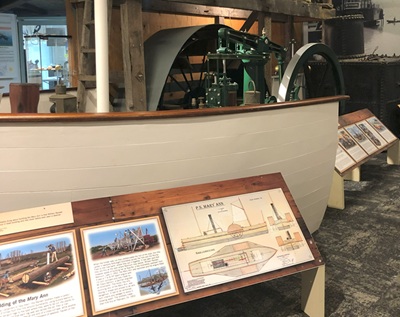
The story of Murray River trade and transport began in 1853 when William Randell launched the Mary Ann, the very first paddle steamer on the river. This pioneering vessel opened up a new era of river travel, transforming the Murray into a vital transport route for goods and passengers. Randell’s ingenuity and determination laid the foundation for the busy paddle steamer trade that would soon follow.
Mannum Dock Museum Of River History

Located in the riverside town of Mannum, the Dock Museum tells the fascinating story of the Murray River and its role in shaping communities along its banks. Visitors can explore exhibits on river trade, boatbuilding, and the lives of early settlers, as well as view historic vessels up close.
It’s an engaging experience that brings to life the golden age of paddle steamers and the industries they supported.
PS Marion – Heritage Paddle Steamer You Can Board Or Cruise On
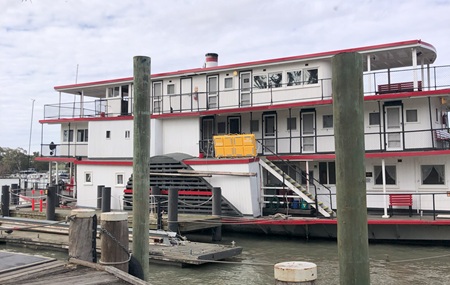
One of the highlights of the Mannum Dock Museum is the fully restored PS Marion, a majestic heritage paddle steamer built in 1897. Unlike many historic vessels, the Marion is still operational, giving visitors the rare chance to step aboard and even take a cruise along the Murray.
From her timber decks to the rhythmic sound of her paddles, she offers a unique glimpse into the romance and history of river travel.
Goolwa
- Australia’s first inland port.
- Goolwa Wharf Precinct with heritage steam train (Cockle Train).
- Links between river trade and ocean-going vessels.
Optional Stops for Extra Depth
- Albury/Wodonga, NSW/VIC – heritage buildings and early river crossing site.
- Wentworth, NSW – junction of the Murray and Darling Rivers, PS Ruby (restored paddle steamer), Wentworth Pioneer Museum.
- Corowa, NSW – known as the birthplace of Federation, historic buildings along the river.
Conclusion
Exploring the historic towns along the Murray River is like stepping back in time while still enjoying all the comforts of modern travel. From paddle steamer wharves and heritage museums to charming main streets and riverside walks, each town tells its own story of life on Australia’s greatest river.
Whether you’re drawn to the rich history, the natural beauty, or the warm country hospitality, the Murray River region offers an unforgettable journey for visitors. It’s a destination where history flows as steadily as the river itself, inviting you to slow down, discover, and connect with Australia’s past and present.